

Tones of Beauty, UK’s trade exhibition and conference dedicated to capturing full diversity in the beauty sector, brought more than 5,700 beauty professionals to ExCeL London on 1 and 2 July 2026. The dedicated B2B trade exhibition focuses on inclusive beauty, textured hair care and luxury fragrance. For brands looking to build their presence and access commercial opportunities in the UK beauty market, product safety and regulatory readiness are an essential part of the equation.
As the Official Compliance Partner of Tones of Beauty 2026, The Regulatory Company (TRC) brought its cosmetics regulatory expertise to the event.

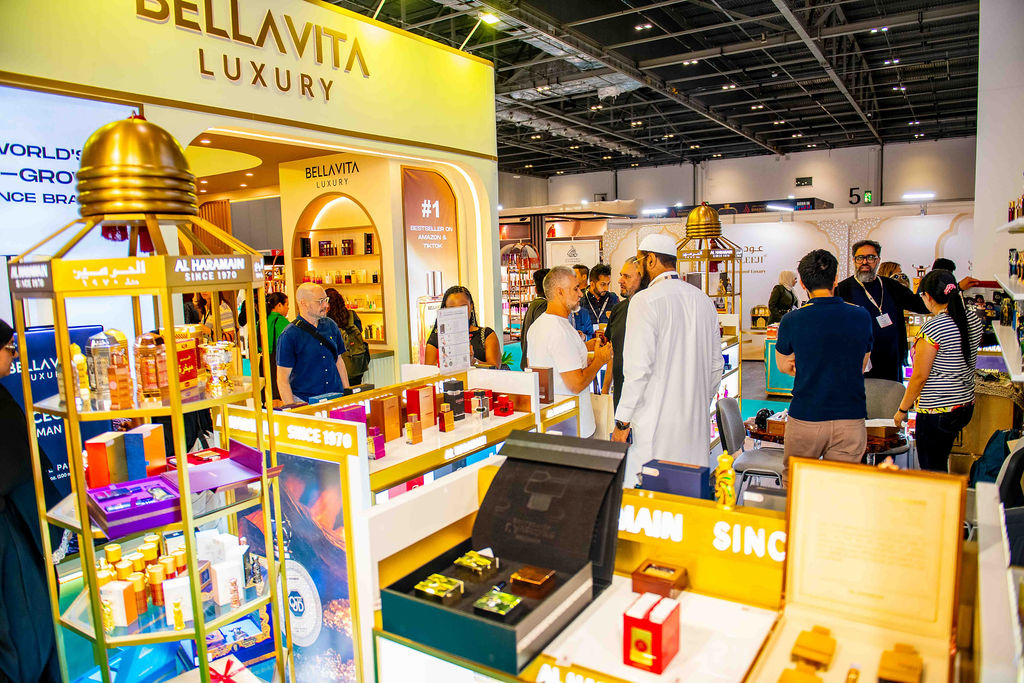




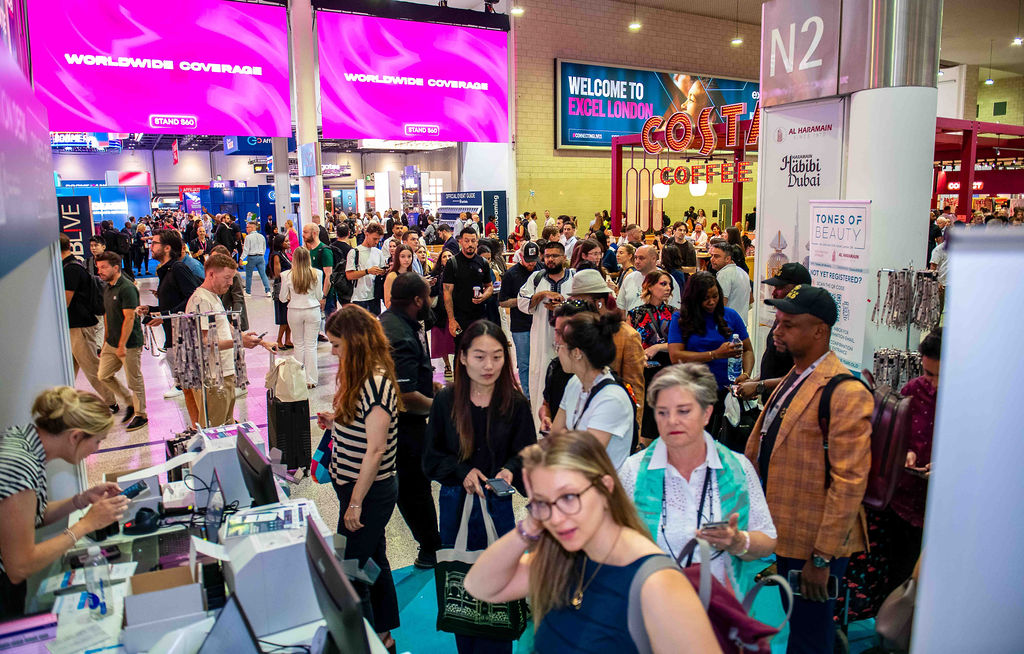


The effervescent atmosphere at Tones of Beauty reflected a sector full of new products, emerging brands and ambitions for growth. Alongside conversations about innovation, retail and distribution, we also saw growing interest in regulatory compliance and product safety. Questions about UK compliance, Responsible Person arrangements, product safety, supplier documentation and fragrance requirements came up repeatedly as brands consider their next steps in the UK market.
At the TRC booth, many one-to-one conversations focused on practical compliance questions such as:
- Who is responsible for compliance when entering the UK market?
- What is expected from a brand, manufacturer, importer and Responsible Person?
- What is the best moment to address safety assessment, labelling and notification?
These issues were explored on the Conversation Stage in the presentation “Safety & Compliance in the Supply Chain: Roles and Responsibilities for Various Stakeholders,” by Jasper ten Brinke, Managing Director at TRC.
Additionally, given the strong presence of fragrance exhibitors (over 100 global perfume brands) a lot of questions came up regarding the safety and compliance specificities of this product segment:
- Is an IFRA certificate for a fragrance ingredient enough?
- What documentation should be requested from fragrance suppliers?
- How should fragrance allergens and essential oils be assessed?
- What details and allergens must be included on my labels in the UK and the EU?
These topics were addressed by Kelly Goris, Regulatory Toxicologist & Safety Assessor at TRC, in her presentation “General Compliance Requirements for Fragrance Ingredients & Fragrance Products.”
Together, the sessions delivered one central message: cosmetics safety & compliance should be built into product development and supply-chain decisions early. It should not be treated as the final administrative task before launch. Below are some of our key takeaways after the Tones of Beauty show.
1. Market readiness starts before the product is finished
Compliance problems are often discovered too late. The formulation is complete. Packaging has been ordered. Artwork has been approved. A distributor is interested. Only then does the regulatory review start. At that stage, a missing supplier document, an undeclared allergen or a restricted ingredient can become expensive. The more effective approach is to include compliance throughout supplier and contract manufacturer selection and in the early stages of product development.
For cosmetic companies, this means qualifying raw materials and suppliers early, obtaining the required technical documentation, assessing formulations before the final artwork is produced and establishing market-specific responsibilities before products are offered for sale.
2. Fragrance: IFRA is important, but it is not the complete compliance check
Fragrances deserve particular attention because a single fragrance raw material contains many individual chemical substances. The exact composition may be confidential, but sufficient information must be made available to assess the safety and regulatory compliance of the finished cosmetic product.
IFRA documentation is an important part of this process. It establishes conditions of use for fragrance ingredients according to the relevant product category. However, IFRA compliance does not automatically demonstrate compliance with cosmetics legislation. A fragrance may comply with IFRA requirements while containing substances that are separately prohibited, restricted or subject to specific conditions under applicable cosmetic regulations. The fragrance therefore still needs to be assessed against the legal requirements of the intended market.
For brands and manufacturers, this means an IFRA certificate should form part of the regulatory data package rather than being treated as the final compliance conclusion.
3. The quality of supplier documentation directly affects the assessment
For fragrances and aromas, a safety assessor needs documentation including:
- Safety Data Sheet
- Current IFRA statement for the correct product category
- Regulatory compliance statement
- Extended allergen declaration
Essential oils and some botanical extracts may require further composition, impurity or peroxide information. This is an important supplier-selection criterion. A raw material can be technically suitable for the formulation but still create problems later if the supplier cannot provide the information required for the safety assessment.
Good supplier documentation therefore supports more than regulatory compliance. It can shorten assessment timelines, reduce follow-up work and prevent reformulation or relabelling late in the process.
4. Natural ingredients require the same regulatory attention
Essential oils and botanical extracts require detailed assessment and are a frequent source of compliance gaps. Natural origin does not mean that an ingredient is automatically safe or exempt from regulatory requirements. Essential oils can contain fragrance allergens and other constituents relevant to the safety assessment. Depending on their concentration in the finished product and the applicable market, some substances may also need to appear individually in the ingredient declaration. This makes complete allergen and compositional information important for both formulation assessment and label preparation.
5. Compliance becomes more demanding when products enter several markets
A product intended for the EU, Great Britain, Canada and the USA cannot simply be assessed once against one universal set of requirements. For brands expanding internationally, the regulatory strategy should therefore be considered alongside the commercial market-entry plan.
A formulation developed without its future markets in mind can require changes later.
6. Responsible Person duties and responsibilities must be clear
This is particularly relevant for brands entering Great Britain: commercial partners generally want to sell products, rather than take on additional regulatory responsibilities. A non-UK brand should therefore understand in advance how the Responsible Person role will be arranged.
If regulatory responsibilities are left unresolved until an importer or distributor is appointed, the commercial partner may become involved in duties the brand did not anticipate and/or the commercial partner is not willing to accept. It may also create a requirement to share formulation, supplier, testing and other confidential information through the commercial supply chain.
Appointing an independent Responsible Person provides a clearer separation between the commercial and regulatory relationships.
TRC provides Responsible Person services in the EU and UK together with in-house safety assessment and regulatory compliance services. This integrated structure can reduce duplicated reviews and unclear responsibilities between separate service providers.
7. Supply chain stakeholders roles must be clearly defined
The creation, production and selling of cosmetic products can involve raw material suppliers, manufacturers, laboratories, safety assessors, regulatory consultants, Responsible Persons, brand owners, importers, distributors and retailers. Information moves between all of them.
This creates risk if responsibilities have not been agreed.
- Who obtains missing supplier data?
- Who maintains the Product Information File?
- Who reviews formulation changes?
- Who approves the label?
- Who updates the notification?
- Who monitors regulatory changes?
- Who responds if an authority requests information?
TRC’s presentation at Tones of Beauty highlighted how unclear responsibilities, fragmented information and conflicts of interest can create compliance gaps. For brands and manufacturers, these responsibilities should be established before market entry rather than after a problem occurs.8. Compliance does not finish when the product is launched
Compliance needs to be monitored and manages for as long as a product remains on the market. Changes to formulations, suppliers, raw materials, packaging, claims or labelling can affect an existing assessment and may require updates to the Product Information File, safety assessment, label or product notification.
Regulatory requirements also change over time. And as portfolios expand across products categories and markets, identifying which products are affected and what needs to be updated becomes increasingly difficult to manage manually.
TRC supports this process throughout the full product lifecycle, from PIF management, regulatory and safety assessments, label and claim reviews and product notifications to Responsible Person services and continuous compliance monitoring. These services are supported by PRIMS Compliance Software, which structures information from substances and raw materials through formulas to finished products, allowing regulatory changes to be assessed against the connected product portfolio.
The objective is to move from simply knowing that a regulation has changed to knowing which products are affected, why they are affected and what action is required.
Key take aways for cosmetic brands after Tones of Beauty trade show
Start the compliance work early on.
Do not wait until the product, label and commercial launch plan are final.
Qualify suppliers on documentation as well as product quality.
Missing regulatory information can become a product-development problem later.
Do not rely on IFRA alone for fragrance compliance.
Applicable cosmetics legislation still needs to be assessed.
Include essential oils and botanical extracts in allergen and safety reviews.
Define supply-chain responsibilities before market entry.
This is especially important for Responsible Person arrangements in the EU and UK.
Have your labels reviewed before printing.
Plan for continuous compliance.
Products, suppliers and regulations all change over time.

